
RUN 001 / EPOCH 0
⠿ Grab the cube
// 00 / Manifesto
Every model you've ever talked to was built the same way: an idea borrowed from the brain, shaped by decades of research, trained at industrial scale, measured, aligned, and shipped. This page walks that path — the history, the language, and the machinery — with a focus on the large language models and multimodal assistants behind today's AI wave. Other corners of artificial intelligence, from computer vision to robotics, share roots with this story but branch off into their own architectures.
// 01 / Origins
Before the data centers, there was an analogy: maybe thinking is something a network of simple units can do.
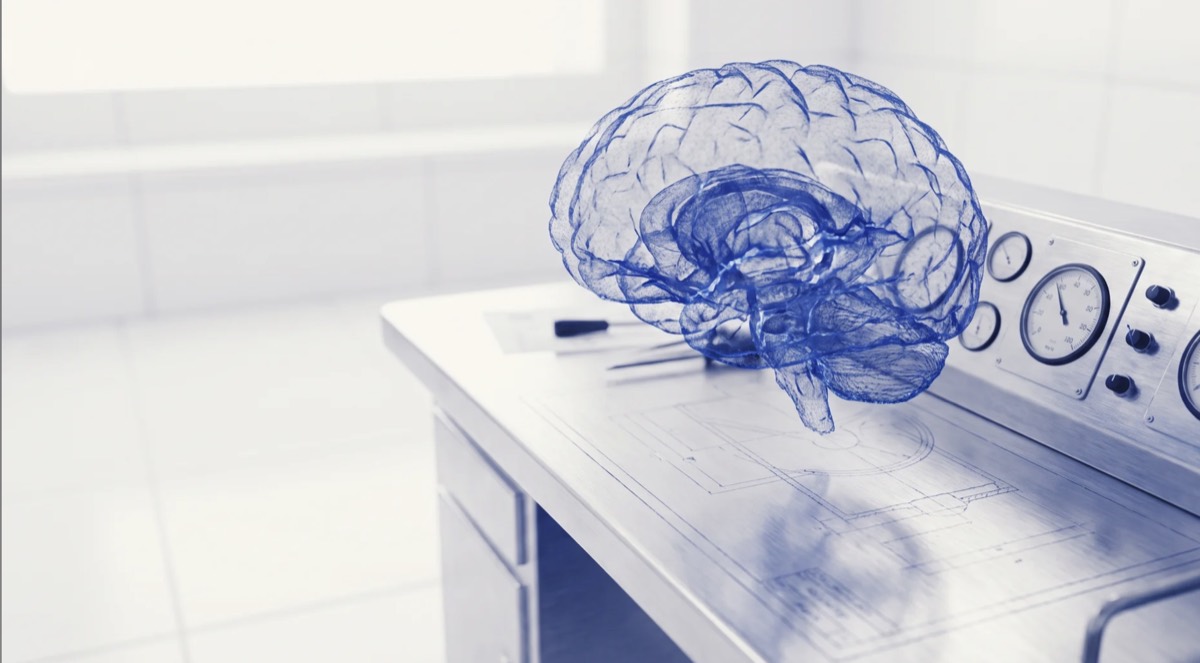
In 1943, McCulloch and Pitts modeled brain cells as simple on/off switches — and showed a network of them could, in principle, compute anything.
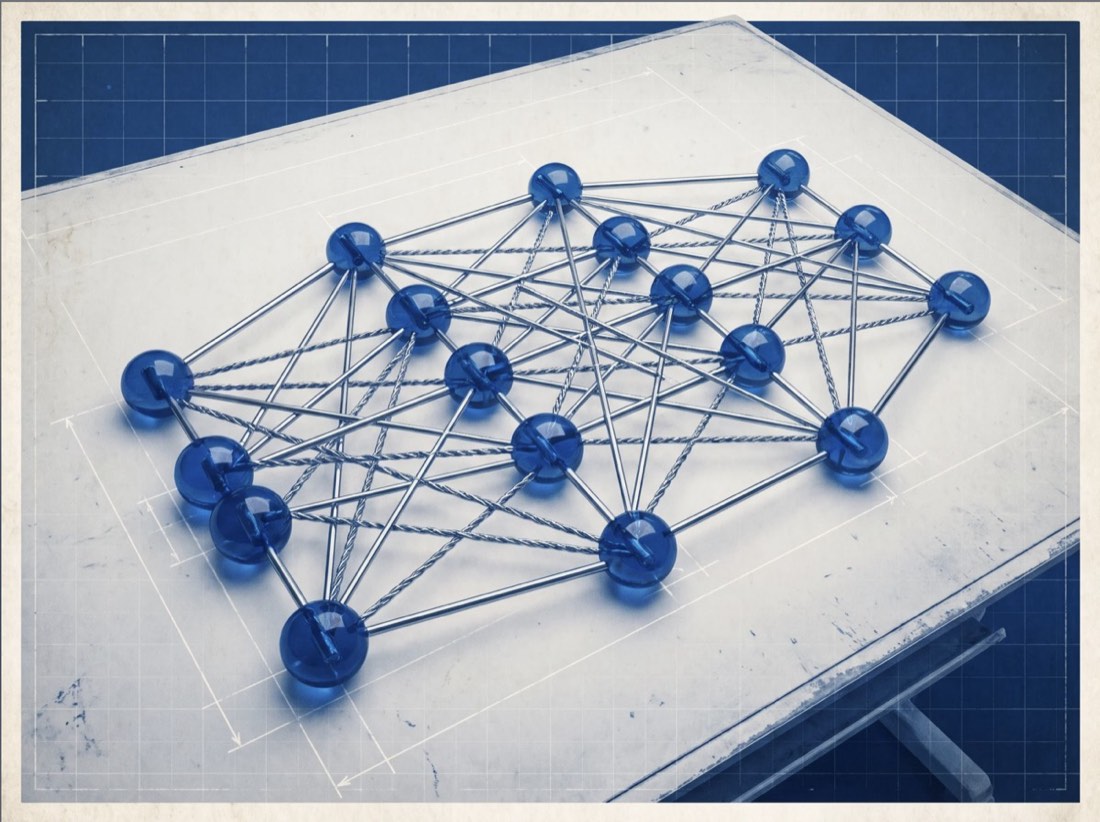
A neural network is layers of those units connected by weighted links. Learning means nudging millions of weights until inputs reliably produce good outputs.
// 02 / Timeline
Key moments that shaped the path from early research to intelligent systems. Select any entry to read the full story.
// 03 / Vocabulary
Seven terms that unlock most conversations about modern AI.
The neural network architecture behind most modern LLMs. It uses attention mechanisms to process input and generate output efficiently at scale.
The process of adapting a pre-trained model to a specific task or domain by continuing training on a smaller, task-specific dataset.
Reinforcement Learning from Human Feedback. A training paradigm that aligns model outputs with human preferences and intent.
The stage where a trained model generates responses to new input. It turns patterns into predictions in real time.
Splitting text into small chunks — tokens — that a model can process. A model reads and writes the world one token at a time.
A list of numbers that captures meaning. Similar ideas land near each other, which is how models relate words, images, and concepts.
The moment of computation: an input flows through every layer of the network, and an answer comes out the other side. This site is named for it.
// 04 / Foundation
End-to-end infrastructure for building, shipping, and scaling intelligent systems with confidence.
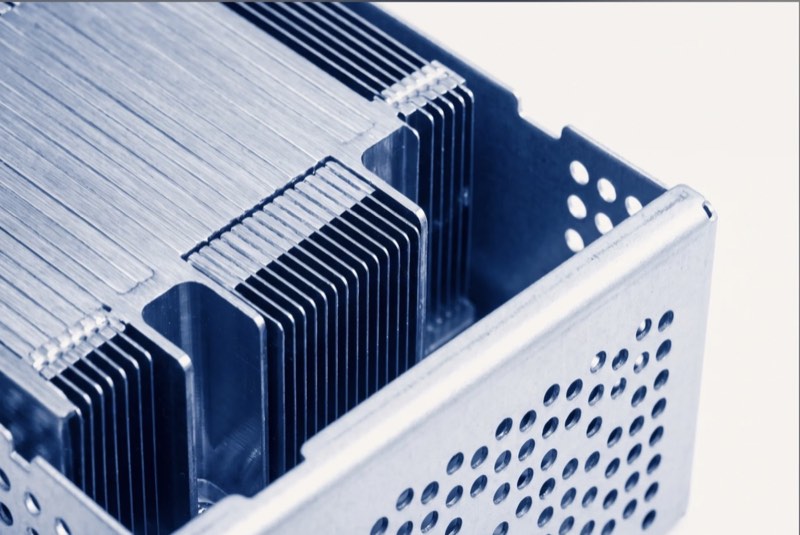
GPUs and accelerators — the raw horsepower training runs on.
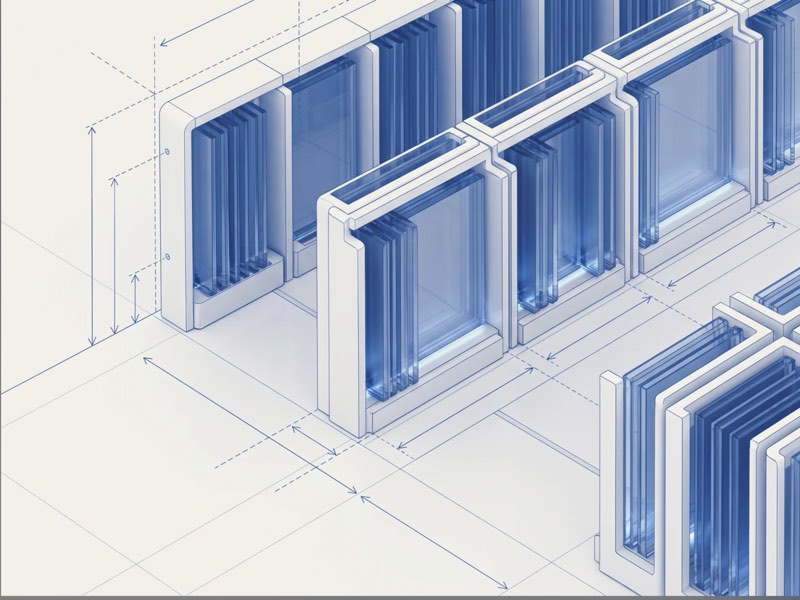
Curated at web scale: collected, cleaned, filtered, deduplicated.

Architectures and weights — the artifact everything else exists to produce.
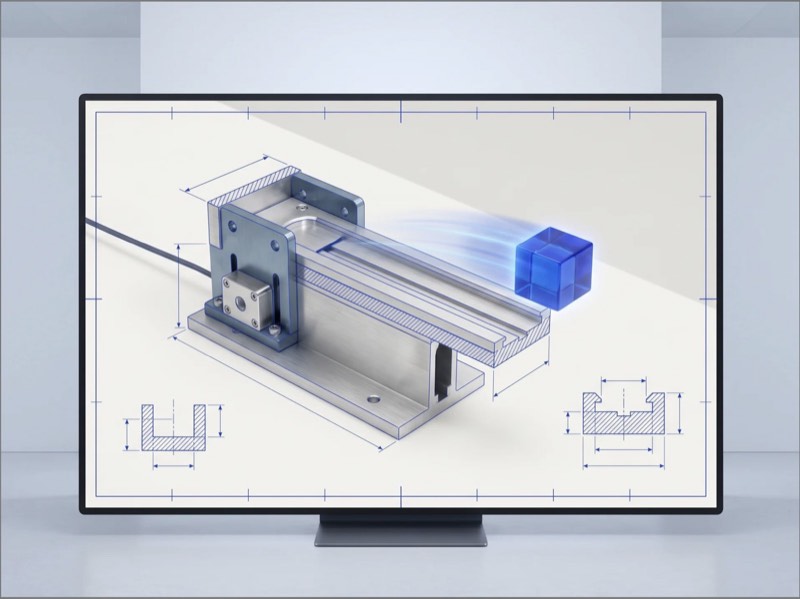
Frameworks, experiment tracking, and the workbench of daily iteration.
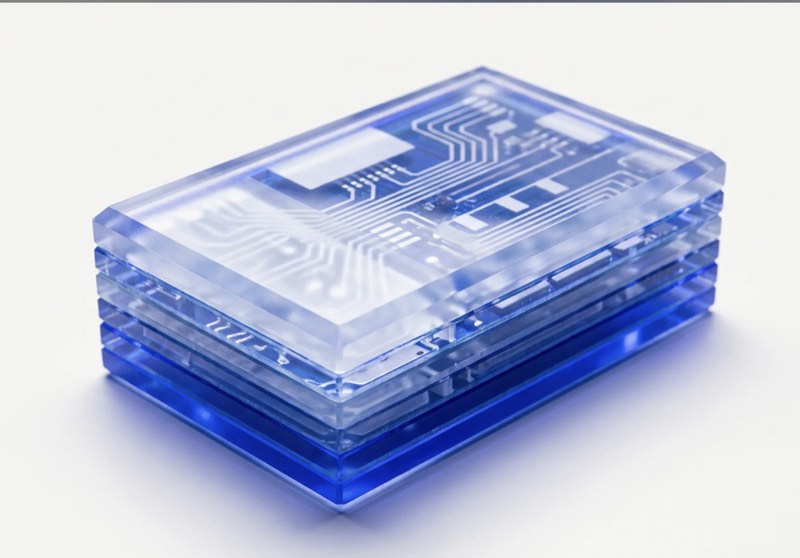
Inference infrastructure that answers millions of requests, fast.

Evaluation, alignment, and oversight — measured, not assumed.
Lifecycle / The Run
Select a stage to inspect it. This is the loop every frontier model goes through.
Training
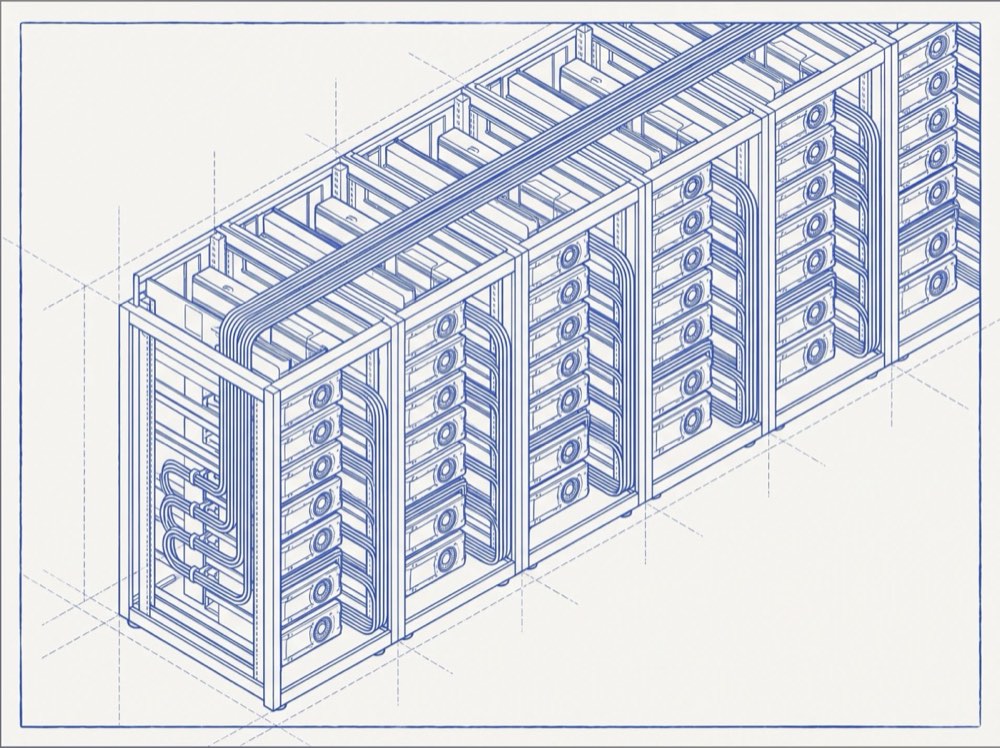
// 05 / Red Team
Before a model reaches general availability, professional adversaries are paid to make it fail.
The name is military heritage: in war games going back to nineteenth-century Prussia, the “red team” plays the enemy so the defenders can find their own weaknesses first. AI labs inherited the term — and the mindset — from the armed forces by way of cybersecurity.
Everything else on this page is about building capability. Red teaming is the opposite discipline: teams of experts — in-house attackers, hired specialists in biology and cybersecurity, government testing institutes, even other AI models — spend the months before a launch trying to trick, jailbreak, and misuse the new system in every way they can imagine.
What they find decides what ships. Failures get patched and retested; capabilities judged too dangerous get gated behind stricter safeguards; and the whole campaign is documented publicly in the model’s system card — so the safety claims that accompany a release are earned, not asserted.
Read the full entry
Systems, not spells
Reliable AI comes from disciplined engineering, measurable outcomes, and continuous iteration. Now you know the run — data, initialization, training, evaluation, alignment, deployment — and the language to talk about it.
Eight guides, one method. Roughly in the order a reader meets them: how the field got here, how to work across models, then the tools themselves.